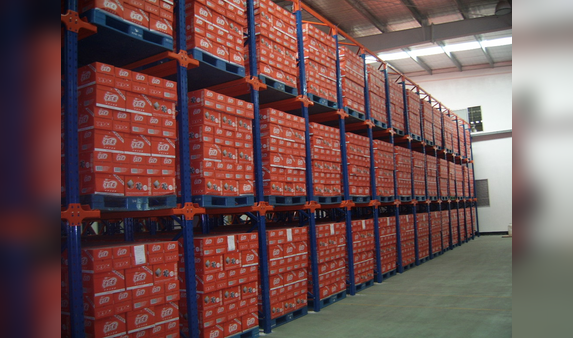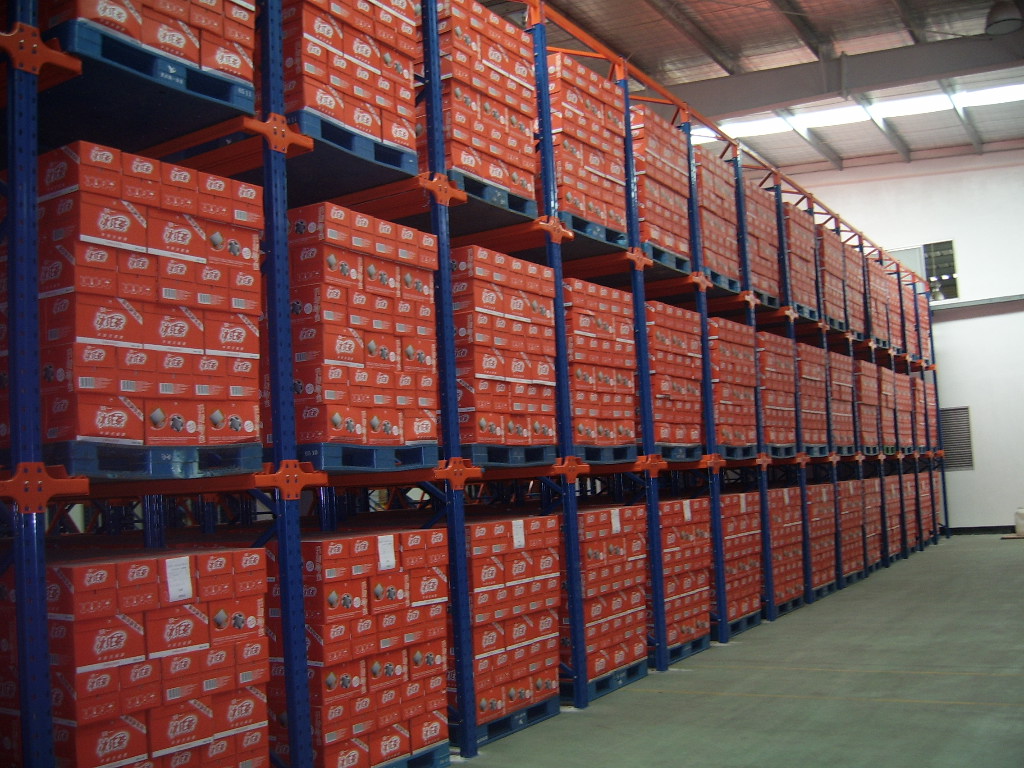
Warehouse racks help businesses store goods, organise stock and make better use of available space. However, daily use can cause wear and damage over time. Forklifts may hit rack frames, heavy loads can put pressure on beams, and loose components may affect stability.
Regular checks help businesses spot these problems early. With proper care, companies can keep their racking systems in good condition and reduce the risk of unexpected repairs.
Common Problems with Warehouse Racks
Warehouse racks handle different types of goods and loads every day. Knowing what to look for can help staff identify problems before they become more serious.
1. Bent Beams and Uprights
Forklifts and pallet trucks can accidentally hit rack frames during loading and unloading. These impacts may bend beams or damage uprights.
Check the racks regularly for visible bends, cracks or changes in alignment. Do not ignore damaged sections, even if the rack still appears stable. Arrange a professional assessment before using the affected area again.
2. Loose or Missing Components
Racking systems rely on properly fitted components to remain stable. Missing safety locks, damaged connectors and loose fittings can affect the rack’s condition.
Check that all components remain in place. Replace damaged parts with suitable components designed for the existing racking system. Avoid makeshift repairs that may affect its stability.
3. Loads That Exceed Rack Capacity
Every racking system has specific load limits. Placing goods that exceed these limits can put too much pressure on the beams and supporting frames.
Check the rack’s load capacity before storing heavy items. If your business changes its inventory or handles heavier products, review whether the existing racks can support the new loads.
4. Changes to Rack Layouts
Businesses may need to change their storage arrangements as inventory grows. Staff might want to adjust beam heights or add more storage levels to accommodate different products.
However, changes to a rack’s layout can affect its load capacity. Always check the manufacturer’s requirements before changing the original configuration. A qualified professional can help determine whether the proposed layout suits your storage needs.
How Often Should You Check Your Racks?
The right inspection schedule depends on the type of racks, the working environment and how often staff use the storage area.
Staff can carry out routine visual checks to spot obvious damage. Warehouses with frequent forklift movements may need closer attention in busy areas.
Arrange more detailed inspections with competent personnel at suitable intervals. You should also check the affected area after a collision or whenever someone reports damage. Keep a record of inspection findings and any repairs.
Should You Repair or Replace Damaged Racks?
The answer depends on the type and extent of the damage. Some problems may require only minor maintenance, while damaged beams or uprights may need replacement.
Ask a qualified professional to assess structural damage before deciding what to do. Never attempt to straighten bent components or make improvised repairs without proper guidance.
You should also review your existing racking system if it suffers repeated damage or no longer suits your storage requirements. In some cases, upgrading the racks may be a more practical long-term option.
Choosing the Right Racking Support
When your warehouse racks need attention, choose a provider with experience in industrial storage systems. The right provider can assess the condition of your racks and recommend suitable repairs or repla